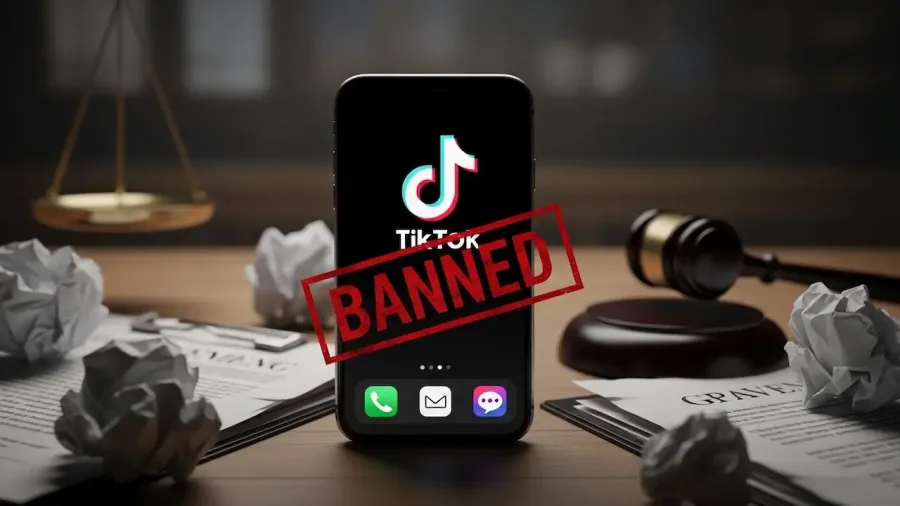
The question of “When is TikTok coming back to the App Store?” encapsulates one of the most intense and volatile geopolitical conflicts in the modern technology sphere. While TikTok has been reinstated on the App Store and Google Play in the U.S. following temporary delistings in early 2025, its long-term availability is not guaranteed. The app’s status remains conditional and subject to the enforcement deadlines of the federal divest-or-ban law.
When is TikTok coming back to the App Store? (image: Gowavesapp)
This comprehensive guide delves into the legislation that drives these threats, details the current availability status, explains the security concerns that lawmakers cite, and analyzes the potential timelines for a permanent resolution that will decide the platform’s fate on mobile app storefronts.
Phase 1: the core legislation driving removal
The primary reason TikTok has been removed or threatened with removal from major app stores is the Protecting Americans from Foreign Adversary Controlled Applications Act (PAFACAA), or similar legislation. This law is specifically designed to compel the Chinese parent company, ByteDance, to sell the U.S. operations of TikTok to an American entity.
1. National security and data sovereignty
Lawmakers’ concerns are fundamentally rooted in two areas:
Data Access Risk: Authorities fear that Chinese national security laws could force ByteDance to provide the Chinese government with data collected from over 170 million American users. This includes sensitive information such as location, browsing habits, facial recognition data, and behavioral patterns.
Foreign Influence: There are widespread concerns that the platform could be leveraged as a tool for propaganda, allowing a foreign government to influence U.S. political discourse or societal views by algorithmically promoting or suppressing specific content.
2. The legal mandate for App Stores
The law imposes severe legal penalties on companies like Apple and Google if they distribute, maintain, or update TikTok after the designated divestiture deadline has passed without a sale being completed.
Enforcement Risk: App stores face potentially crippling fines—up to $5,000 per user—if they allow the app to be available past the deadline. This financial and legal risk is what forces the app stores to comply instantly with removal orders, regardless of the app’s popularity. The instability arises when enforcement deadlines are temporarily delayed by court order or executive action.
Phase 2: current status and availability contingencies
The current availability of TikTok on the App Store is a direct result of ongoing political and legal maneuvers:
Temporary Reprieve: Following the initial removal threats, the app was restored in the U.S. after an extension was granted (often through executive orders or court injunctions) to allow ByteDance more time to negotiate a sale. This extension, however, is a delay of the ban, not a cancellation.
Uncertainty for Users: For users, this means the app is currently operational and can be downloaded, but they are living under the shadow of a renewed threat. New users, in particular, must understand that downloading the app does not guarantee its long-term viability.
The Critical Deadline: The final date set for the divestiture remains the most critical marker. If a sale is not successfully completed by this final enforcement deadline, the App Store and Google Play will be legally compelled to delist the application again.
Global disparity
It is important to note the stark difference in policies globally. While the U.S. debates sale and divestiture, other countries like India have implemented permanent, total bans on the application. Conversely, in Europe and most other regions, the app continues to operate normally, subject only to local data privacy regulations (like the GDPR).
Phase 3: the timeline for a permanent resolution
There is no official, confirmed date for a permanent, unrestricted return because the timeline is contingent on complex, high-stakes events:
The Divestiture Process: The timeline is dominated by the success of the sale negotiations. ByteDance must find an approved American buyer willing to meet its valuation while also satisfying U.S. regulatory and security requirements for data isolation (a plan often referred to as Project Texas).
Legal Challenges: TikTok has vigorously challenged the PAFACAA in U.S. federal courts, arguing that the legislation violates the First Amendment rights of its users to access information. Should these legal challenges succeed, the law could be struck down, resolving the issue entirely.
The Political Climate: The executive branch holds significant power over national security mandates. Changes in political administration or priority could lead to the existing law being modified, enforced, or even quietly allowed to lapse.
Until one of these definitive actions occurs—a successful sale, the law being overturned, or the law being fully enforced—the question of “When is TikTok coming back to the App Store?” will remain officially unanswered.
Phase 4: protecting access and staying informed
For users in affected regions who need to maintain access, the best strategy is proactive management:
Reinstall via History (iOS): If the app is delisted, users who have previously downloaded TikTok can often reinstall it directly from their Apple ID Purchase History list, even when it is removed from public search results.
Web Browser Functionality: The official TikTok website offers robust functionality, including viewing feeds, searching profiles, and engaging with content. This is the most stable and reliable way to access the service during any delisting period.
Creator Ecosystem Impact: The instability directly impacts the massive ecosystem of content creators. Many creators have proactively established parallel presences on platforms like YouTube Shorts and Instagram Reels to diversify their audience and protect their livelihoods against the threat of a sudden platform shutdown.
Official Source Monitoring: To get the most accurate updates on when the app may return or face removal, users must rely on official, verified sources: the official press statements from TikTok, the U.S. Department of Justice, and reputable news organizations specializing in tech policy.
In conclusion, the sporadic availability of TikTok is a political function, not a technical one. Its long-term presence on the App Store is wholly dependent on the final outcome of the divest-or-ban mandate. Users must remain vigilant and understand that the app’s status can change quickly based on the next legal or political maneuver.