

Education
Top 3 best Chromebook apps for students
Gear up to discover the top 3 educational apps every Chromebook student needs—one of these might just change the way you learn forever.


If you’re searching for the best educational apps, you’ll quickly notice that gamification is a popular trend in the app ecosystem. Gamification is the process of integrating game-like elements—such as points, badges, challenges, and leaderboards—into non-game contexts. In educational apps, it transforms traditional lessons into interactive experiences, making learning more enjoyable, engaging, and effective.
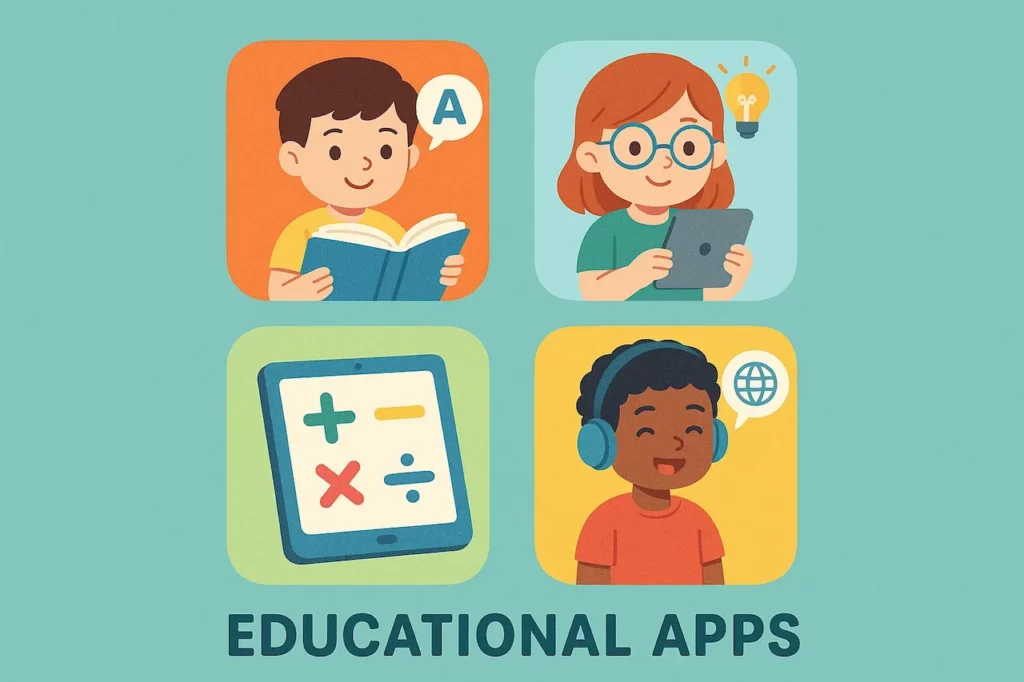
Gamification in educational apps isn’t just about earning rewards—it’s about boosting motivation, keeping users engaged, and helping them retain knowledge. Whether you’re using productivity apps or entertainment apps with an educational twist, gamification turns everyday learning into an exciting and rewarding adventure.
One of the main benefits of gamification in educational apps is its ability to boost engagement and motivation. Traditional learning methods can sometimes feel repetitive or dry, making it difficult for students to stay focused. Gamified apps tackle this problem by introducing interactive elements that keep learners interested and invested in their progress.
Features like points, badges, and progress bars turn each lesson into a mini-challenge. For example, a student completing a math problem might earn points or unlock a badge, giving them a sense of achievement. This immediate recognition motivates users to continue learning and complete more lessons.
Gamification also encourages consistent learning habits. Apps like Duolingo, Kahoot!, and Quizlet keep users motivated with streaks, daily challenges, and milestone rewards, transforming learning into a fun and rewarding journey. By using educational apps with gamification, students feel more engaged and excited to explore new topics.
Gamification doesn’t just make learning more fun—it also encourages active participation. Educational apps allow learners to interact with content in ways that go beyond passive reading or watching. By completing challenges, solving problems, and participating in interactive quizzes, students become active learners, which improves comprehension and retention.
For example, apps like Labster or Toca Lab: Elements let students conduct virtual science experiments or manipulate chemical elements, giving them hands-on experience in a safe, virtual environment. By turning learning into an interactive activity, these apps make complex concepts easier to understand and remember.
Compared to traditional teaching methods, gamified apps provide a more engaging and memorable experience, helping students internalize knowledge and build practical skills that last longer.
Gamification also fosters healthy competition and collaboration. Many educational apps include leaderboards, high scores, and team challenges that motivate users to push themselves while learning. Competing against classmates or peers encourages students to strive for improvement, while collaborative challenges teach teamwork and social learning.
Apps like Classcraft take this a step further by combining role-playing elements with classroom activities. Students can form teams, earn points for completing assignments or demonstrating positive behaviors, and work together to achieve shared goals. This blend of competition and collaboration keeps learning dynamic and socially engaging, helping students develop both academic and interpersonal skills.
By encouraging interaction, gamified apps make learning a more social and connected experience, helping students learn from each other while staying motivated.
Another critical benefit of gamification in educational apps is instant feedback and progress tracking. Many productivity and entertainment apps use gamification to provide immediate feedback, showing learners whether they answered questions correctly, completed tasks, or mastered new skills.
Progress tracking tools—like progress bars, achievement badges, and points systems—allow students to visualize their growth over time. This transparency makes it easy to see strengths and identify areas that need improvement.
For teachers, gamified apps provide real-time insights into student performance, helping them tailor lessons and offer support where needed. For students, these features create a sense of accomplishment and help maintain motivation throughout their learning journey.
Gamified educational apps also support personalized learning experiences. Modern apps can adapt lessons and challenges based on a student’s individual pace and skill level. This ensures that every learner encounters tasks that are challenging yet achievable, keeping frustration low and engagement high.
For instance, language apps like Duolingo adjust lesson difficulty according to user progress, while math apps like Prodigy provide questions targeted to areas where the student struggles. By customizing the learning experience, gamification ensures that students remain motivated and continually challenged.
Personalized gamified apps also unlock new content or features based on achievements, rewarding progress and giving learners a sense of control over their education. This approach makes learning both fun and tailored to individual needs.
Why use gamification in educational apps? Because it works. Gamification turns learning from a passive activity into an interactive, motivating, and enjoyable experience. By incorporating game elements like points, badges, challenges, and leaderboards, educational apps enhance student engagement, encourage active participation, and promote healthy competition and collaboration.
Instant feedback, progress tracking, and personalized learning experiences further ensure that every learner can stay motivated, track their growth, and achieve their educational goals. Whether you’re using productivity apps to manage learning tasks or entertainment apps with educational value, gamification provides a proven way to make lessons engaging and memorable.
For educators, gamified apps can boost student motivation and provide insights into progress. For students, these apps make learning exciting, rewarding, and effective. By embracing gamification in educational apps, both teachers and learners can transform traditional learning into a dynamic and enjoyable journey, ensuring better retention, higher engagement, and lasting results.
If you want your app or learning experience to stand out, integrating gamification is the perfect strategy to make education interactive, effective, and truly enjoyable.


Gear up to discover the top 3 educational apps every Chromebook student needs—one of these might just change the way you learn forever.

Power up your study game with these essential productivity apps every college student needs—discover which tools can truly transform your academic routine.

Start your IGCSE revision strong with these five standout study apps—discover which essential tool could unlock your highest exam scores.

Top study plan apps could transform your college experience—discover which ones can boost your grades, but which app tops the list?

Wondering which study apps rival Quizlet’s flashcards and features? Discover five top alternatives that could transform your learning experience.

Narrowing down the top 3 interactive science apps for middle schoolers isn't easy—discover which ones make learning irresistible in our latest roundup.